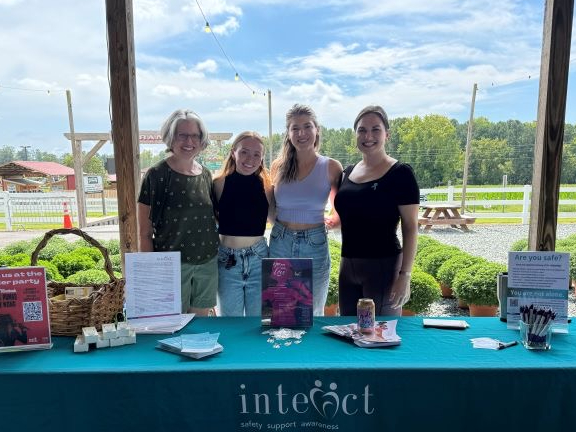
As I discussed in my last post, I was raised to advocate for others. Even as an instructor, I view myself as an advocate for my students and work hard to teach them how to advocate for themselves. However, as someone who often asks for vulnerability in others, I want to offer some transparency about what led me to my work with sexual assault and its survivors.
I was sexually assaulted at the age of 22 by a member of my family. I couldn’t (or didn’t want to) process what had happened, so I chose not to immediately disclose. It wasn’t until 18 months later when I learned that he had been sexually abusing another member of our family that I finally spoke out.
Most people in my family chose not to believe it or seriously minimized it. I felt like they wanted to silence me so that they could sweep it under the rug. In doing so, they excused his behavior and invalidated my experience.
I began advocating as a way to use my voice and be heard. The more I learned about sexual assault, the less I shied away from the tough conversations surrounding it. The more I shared, the more others shared with me – in some cases, others who had never disclosed before.
For me, advocacy is empowering because it allows me to take action. Because I am unable to take legal action against my assailant (or even convince my family of the type of person he really is), I do my best to take action in other ways. I currently act as a response advocate, meeting with survivors in the immediate aftermath of their assault. My goal is to offer support to these individuals so that they feel believed, validated, and part of a larger community. In short, I try to offer the experience I did not receive but wish that I had.
I am thrilled that there has been more of a spotlight on sexual assault in recent years, but if my experience taught me anything, it’s that there is still more work to be done. While supporting survivors is crucial for their future wellbeing, I recognize that the ultimate goal is to stop sexual violence before it occurs. The only way to do this is through research, education, and communication – all of which requires having the uncomfortable conversations about sexual assault. For me, advocacy starts here: be willing to speak out and do so as often as possible.
 Megan R. Flannery
Leave a comment