Teaching Philosophy
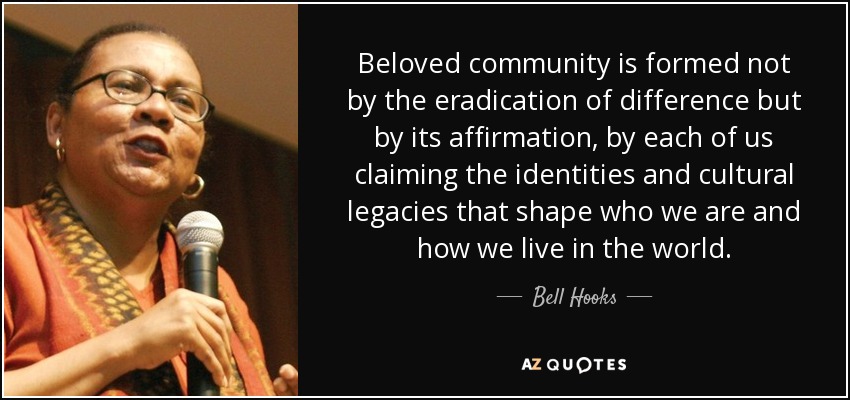
Regardless of the courses or students I teach, my priority is always the well-being and success of each individual. I believe that teaching is not just about imparting knowledge but is also about assisting student growth and building beloved community.
My Objectives
- Build students’ self-efficacy and amplify student voices.
- Teach students as a fellow scholar rather than as an infallible authority figure.
- Explicitly connect classroom lessons to real world situations.
- Promote different ways of thinking to provide students with a richer, fuller understanding of material.
- Create an environment that fosters creativity, curiosity, discussion, and mutual respect.
- Develop students’ communication, composition, and critical thinking skills.
- Provide all students equal access and opportunity regardless of background.
- Expand students’ worldview and prepare them to be conscientious, considerate, purpose-filled members of the community.
My Philosophy
I appreciate the importance of writing, not just for someone like myself who enjoys it, but for everyone. I am a firm believer that everyone needs to know how to assess rhetorical situations and communicate effectively; therefore, I enjoy showing my students the relevance of and importance of writing in their own lives. I believe that English courses, particularly composition courses, are relevant to all students, regardless of literacy background or major. I try to always connect classroom objectives to real world situations so that students can appreciate the importance of their work.
I have worked with a variety of students: adults returning to school, rural students with untraditional education histories, first generation college students, and international students, as well as more traditional undergraduate students. I work hard to incorporate students’ self-sponsored literacy practices into the composition classroom. I believe that there are already too many individuals who are denied access to the college classroom because of their background or socio-economic status; therefore, I strive to make the material in the class as accessible as possible and meet my students where they are within their own literacy narrative.
I think about accessibility as (1) making things free and available and (2) modifying resources/my own pedagogy if necessary to accommodate all my students. One way that I do this is by creating a welcome survey for students to fill out at the beginning of the semester so I can get to know them, their concerns, and their requests a little better. I think by college, the classroom (especially the writing classroom) should be a site of collaboration; therefore, I try to make designing our course collaborative as well. I often check in with students for anonymous feedback on what teaching approaches/techniques are working well and which ones aren’t. I believe that accessibility is a commitment every teacher makes when they aim to help all students be successful.
Faculty and Student Comments

English Faculty
“Prof. Flannery is clearly a skilled instructor. She appears to be doing an excellent job teaching our students, and that excellence is revealed in the quality of her instructional materials (course syllabus, writing assignments, etc.), in her classroom engagement with students, and in her assessment of students’ work. We’re fortunate to have Prof. Flannery as an instructor.”
English Faculty
“Prof. Flannery’s engagement with students was both serious and friendly, and her students appeared engaged, at ease, and contributed much to the success of the class I observed.”
FYW Student
“Despite being an 8:30 class, there was not a single point during the course where I felt like I wanted to fall asleep during a lecture, because the class never felt boring or monotonous. I also felt like the well-being of the student always came before hard deadlines, which made this course much more enjoyable. 10/10 Would take again.”
 Megan R. Flannery